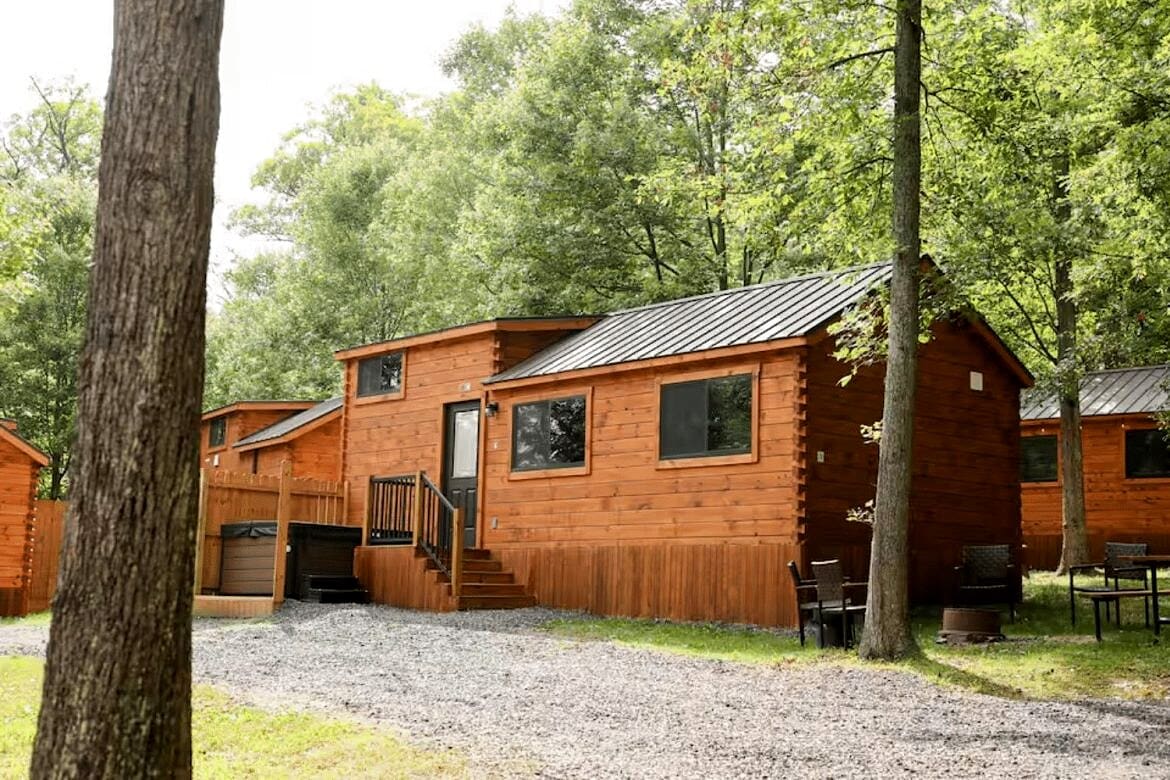
Canadian tech entrepreneur Marcel LeBrun offered his profitable firm and invested $4 million to create 12 Neighbours — a revolutionary tiny dwelling village in Fredericton, New Brunswick. This progressive group of 99 sustainable tiny properties transforms lives by combining dignified housing with social enterprise alternatives, providing a confirmed answer to homelessness.
From Tech Success to Social Influence
After reaching monetary success in tech, Marcel LeBrun rejected retirement luxurious to handle Canada’s homelessness disaster. His $4 million private funding launched 12 Neighbours tiny dwelling village, prioritizing dignity, group, and lasting empowerment over momentary shelter. This systems-oriented method challenges conventional charity fashions by specializing in self-sufficiency and alternative creation.
A Imaginative and prescient Rooted in Human Dignity
The core philosophy of 12 Neighbours restores dignity to these experiencing homelessness via thoughtfully designed tiny properties and built-in social enterprises. LeBrun emphasizes that housing alone is not sufficient—residents want goal, group connection, and financial pathways to thrive. This holistic mannequin integrates personal properties with espresso retailers, makerspaces, and educating kitchens run by residents themselves.
99 Sustainable Tiny Properties with Fashionable Facilities
Every of the 99 tiny properties options full kitchens, loos, dwelling areas, and bedrooms—far exceeding typical shelter requirements. Outfitted with photo voltaic panels for sustainability, these properties present safe, personal dwelling whereas minimizing environmental affect and utility prices. The village infrastructure helps resident-led companies, creating actual financial alternatives inside a supportive group ecosystem.
Social Enterprise: From Dependency to Possession
The group’s social enterprise heart transforms residents from beneficiaries into entrepreneurs. Residents function espresso retailers, print retailers, and makerspaces whereas gaining beneficial abilities via the educating kitchen. These genuine companies generate earnings and foster possession, shifting narratives from “homeless” to “group entrepreneur” and constructing lasting monetary independence.
Neighborhood Constructed on Relationships and Respect
Not like isolating public housing fashions, 12 Neighbours emphasizes mutual respect and human connection. Residents are handled as equals—”neighbors”—with entry to mentorship, life teaching, and collaborative companies. This relational method fosters belonging, encouraging residents to help one another via group occasions and shared tasks that construct lasting friendships and goal.
Confirmed Outcomes and Measurable Influence
Since launch, 12 Neighbours demonstrates excessive resident retention charges, improved psychological well being, diminished social service dependency, and profitable enterprise launches. The venture has attracted consideration from policymakers throughout Canada as a scalable mannequin for homelessness options. Information confirms that dignity-first housing with financial alternative creates sustainable pathways to independence.
Challenges Overcome Via Innovation
Constructing this radical group concerned navigating advanced social points like poverty, habit, and psychological well being challenges. LeBrun utilized his entrepreneurial mindset—testing, iterating, and adapting based mostly on resident suggestions. Key classes embrace the necessity for flexibility and personalised help paths, proving no one-size-fits-all answer exists for reaching stability.
A Replicable Blueprint for Cities Worldwide
Authorities businesses, nonprofits, and buyers now examine 12 Neighbours as a blueprint for homelessness options. Its replicable mannequin combines stunning, sustainable housing with financial empowerment, demonstrating that person-centered approaches will be each compassionate and cost-effective. Collaborations are rising to convey comparable initiatives to different cities going through housing crises.
Marcel LeBrun’s Lasting Legacy
Marcel LeBrun’s $4 million funding created greater than properties—it constructed hope, alternative, and group. By prioritizing individuals over property, 12 Neighbours proves that strategic philanthropy can rewrite homelessness narratives. This transformative tiny dwelling village stands as a testomony to what occurs when wealth serves goal and one individual’s imaginative and prescient turns into many individuals’s actuality.