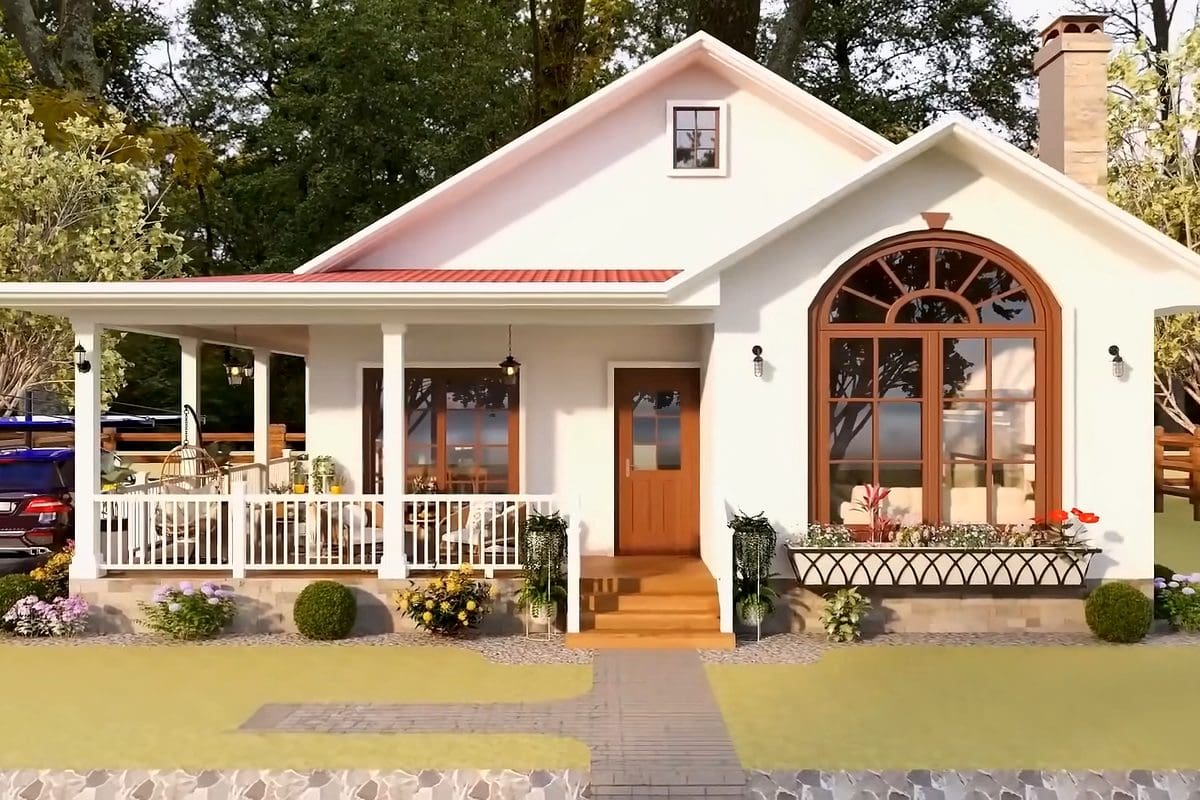
The tiny house movement is evolving rapidly from a niche counter-cultural novelty into an advanced frontier of architectural innovation. As housing affordability challenges grow and eco-conscious mindsets expand, forward-thinking builders are integrating state-of-the-art technologies and sustainable systems that redefine compact living.
Sustainable and Bio-Based Building Materials
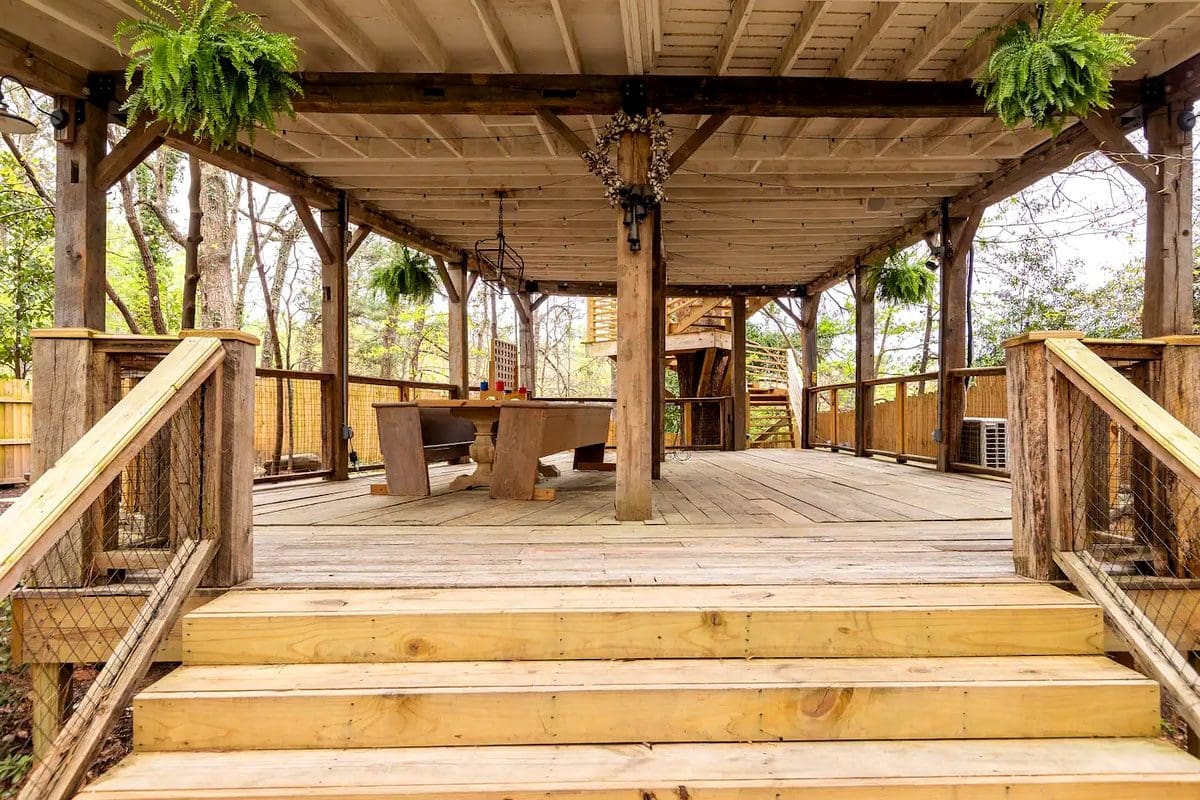
Modern tiny home builders are moving toward sustainable materials like cross-laminated timber, hempcrete insulation, and reclaimed wood siding. These materials significantly reduce the carbon footprint of construction while delivering superior indoor air quality and natural acoustic dampening.
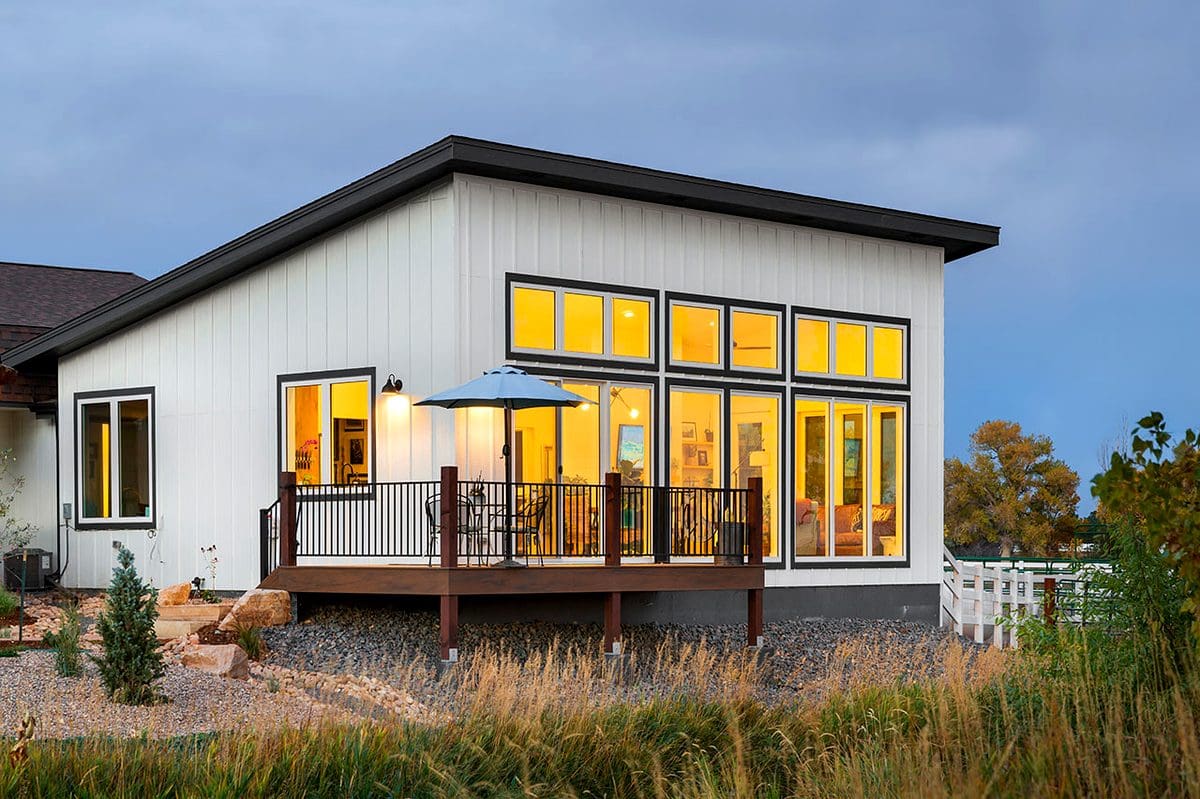
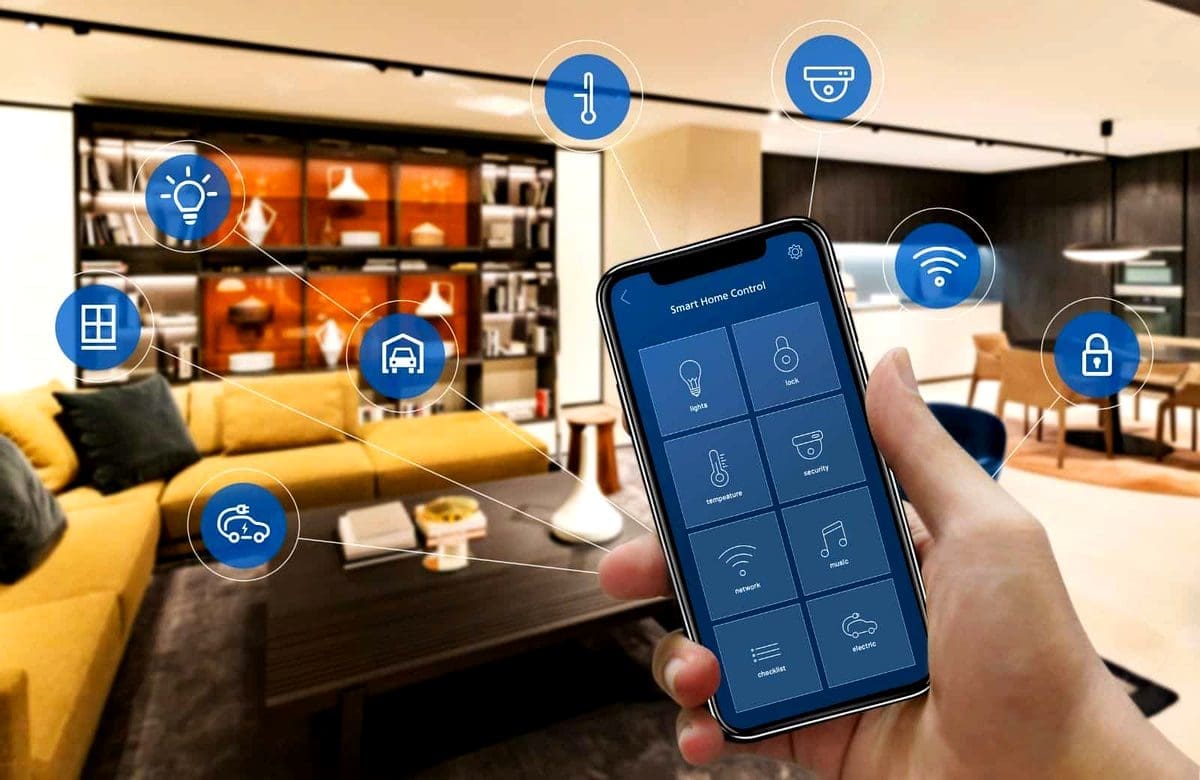
Smart Home Automation for Micro-Spaces
Micro-living benefits tremendously from IoT technology. Voice-activated climate control, automated motorized furniture, dynamic smart glass windows, and intelligent water monitoring systems maximize operational efficiency in compact spaces.
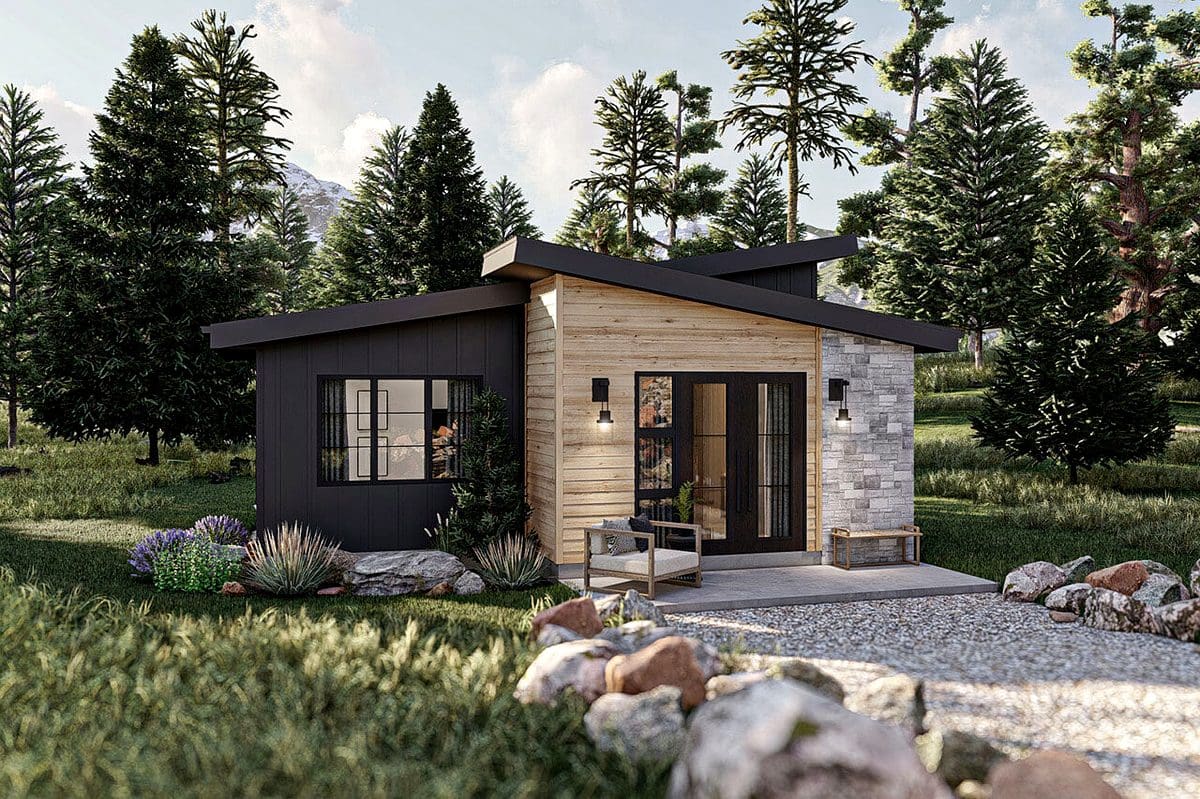
Off-Grid Energy Autonomy and Solar Storage
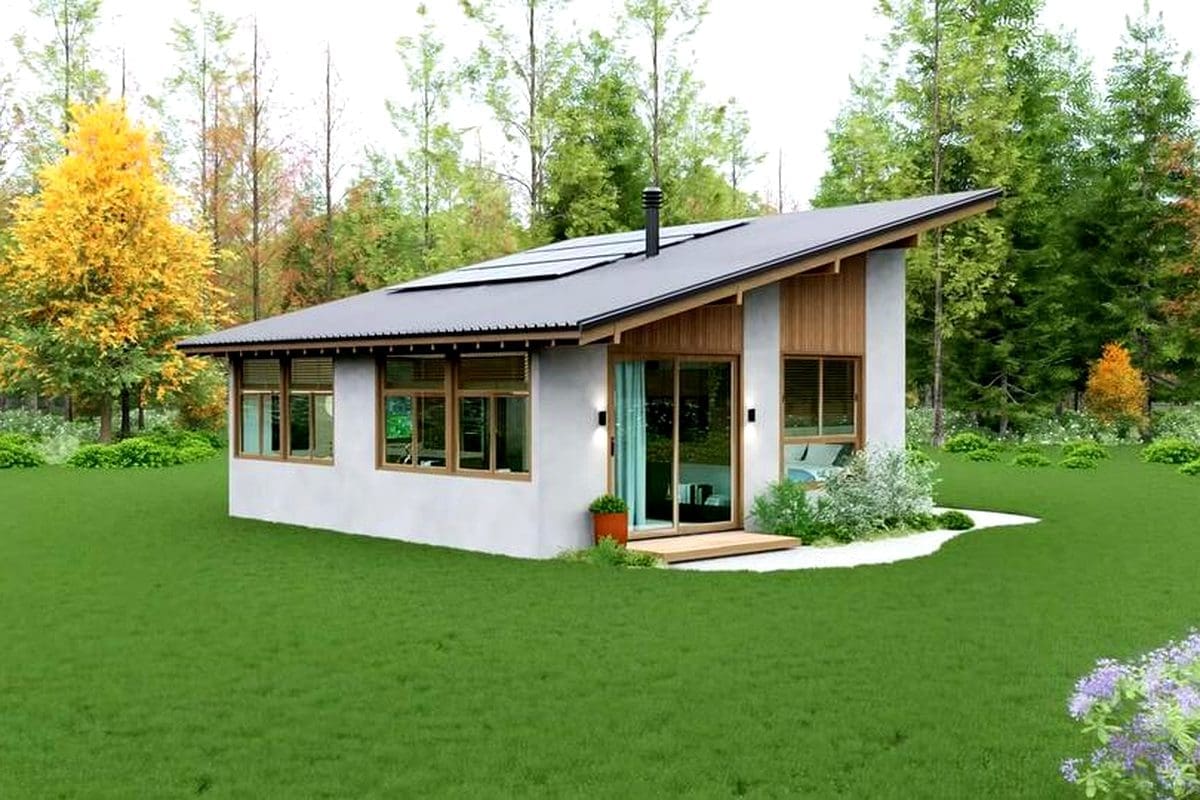
High-efficiency bifacial solar panels paired with advanced lithium-iron-phosphate (LiFePO4) battery systems allow modern tiny homes to operate independently from municipal power grids, making remote lifestyle freedom more accessible than ever.
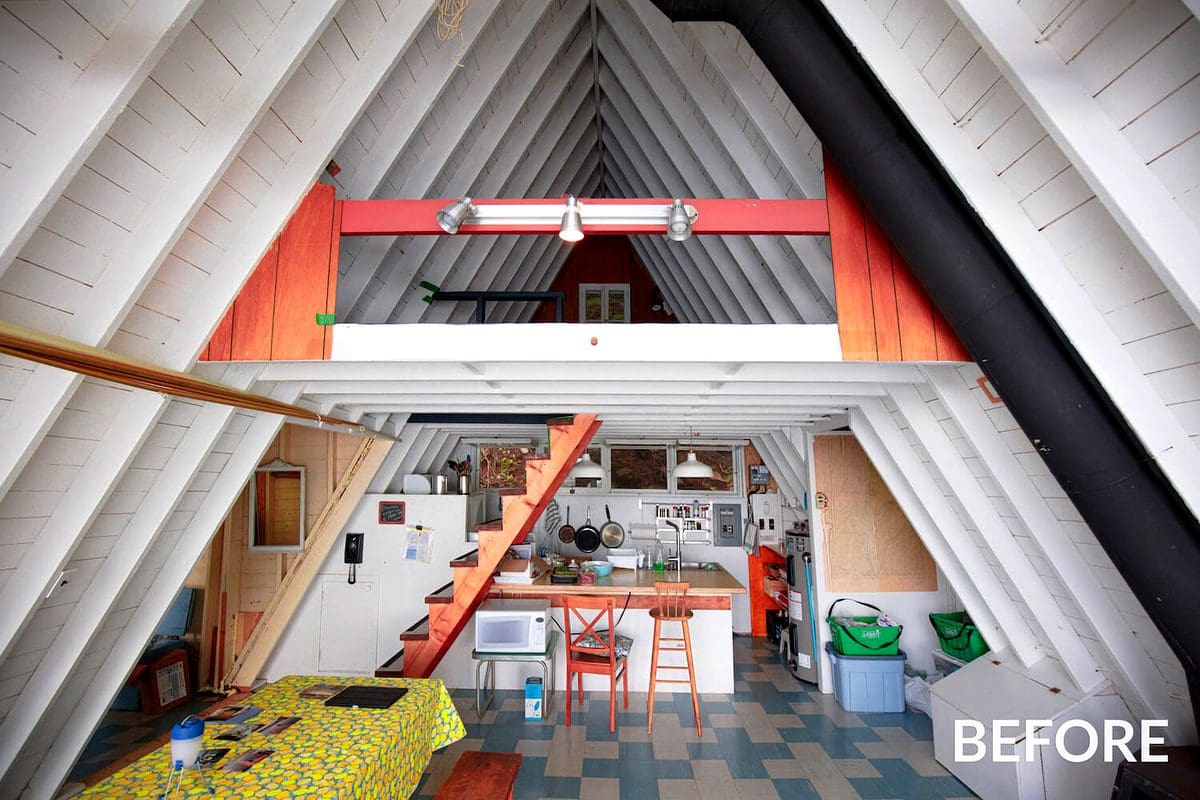
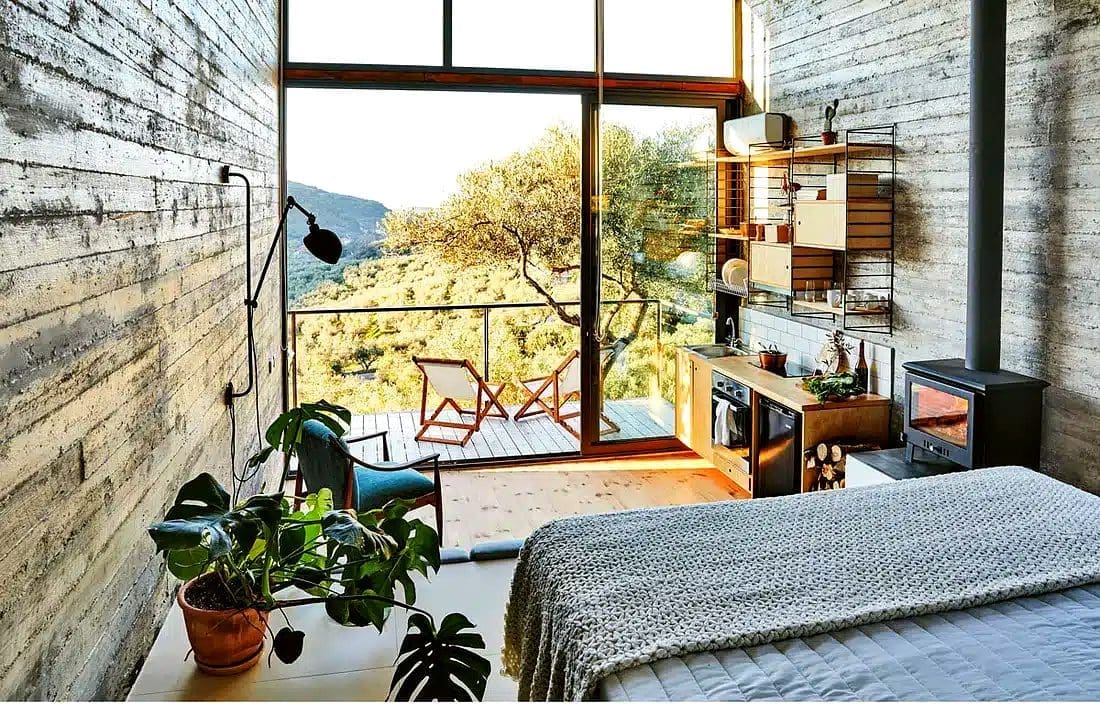
Atmospheric Light Integration and Biophilic Design
Biophilic design principles are taking center stage in micro-architecture. Generous skylights, oversized pivot doors, and indoor living plant walls establish deep visual and sensory connections with the natural outdoors.
Flexible and Convertible Spatial Architecture
Rooms that serve a single purpose are giving way to transformable environments. Hydraulic drop-down beds, sliding acoustic partition panels, and expanding wall sections enable a single 300-square-foot footprint to transition smoothly between work, dining, and sleep.
Advanced Closed-Loop Water Conservation
Innovative closed-loop shower systems and multi-stage rainwater filtration enable extreme water conservation. By recycling graywater for landscaping and non-potable needs, modern tiny dwellers achieve near-zero waste living.
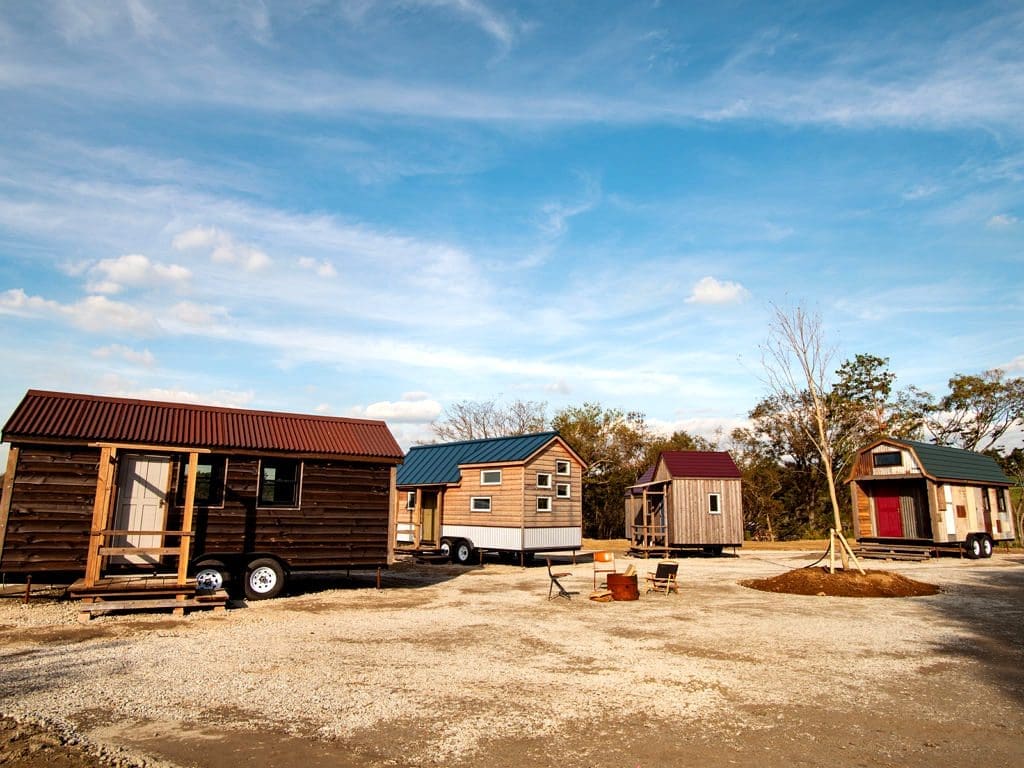
Aerodynamic Engineering for Mobile Dwellings
Tiny homes on wheels are adopting aerodynamic profiles borrowed from automotive engineering. Lightweight composite structural framing and streamlined rooflines reduce wind drag during highway transport, slashing towing fuel consumption.