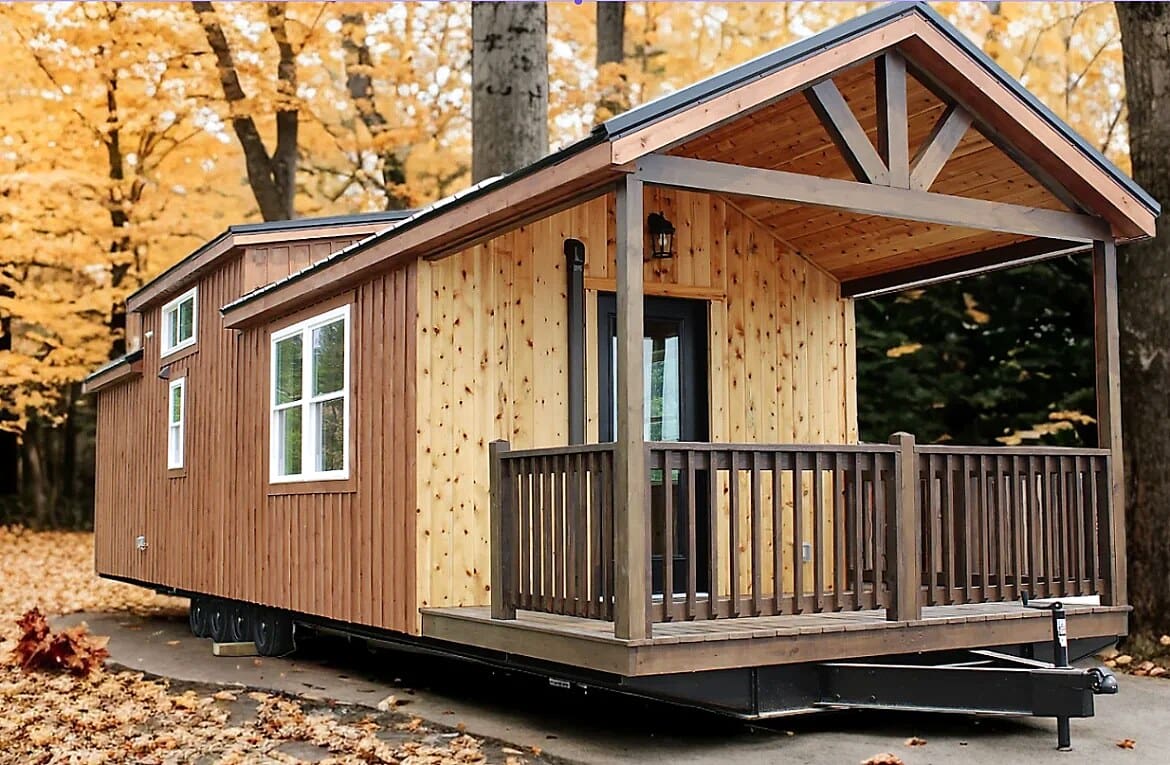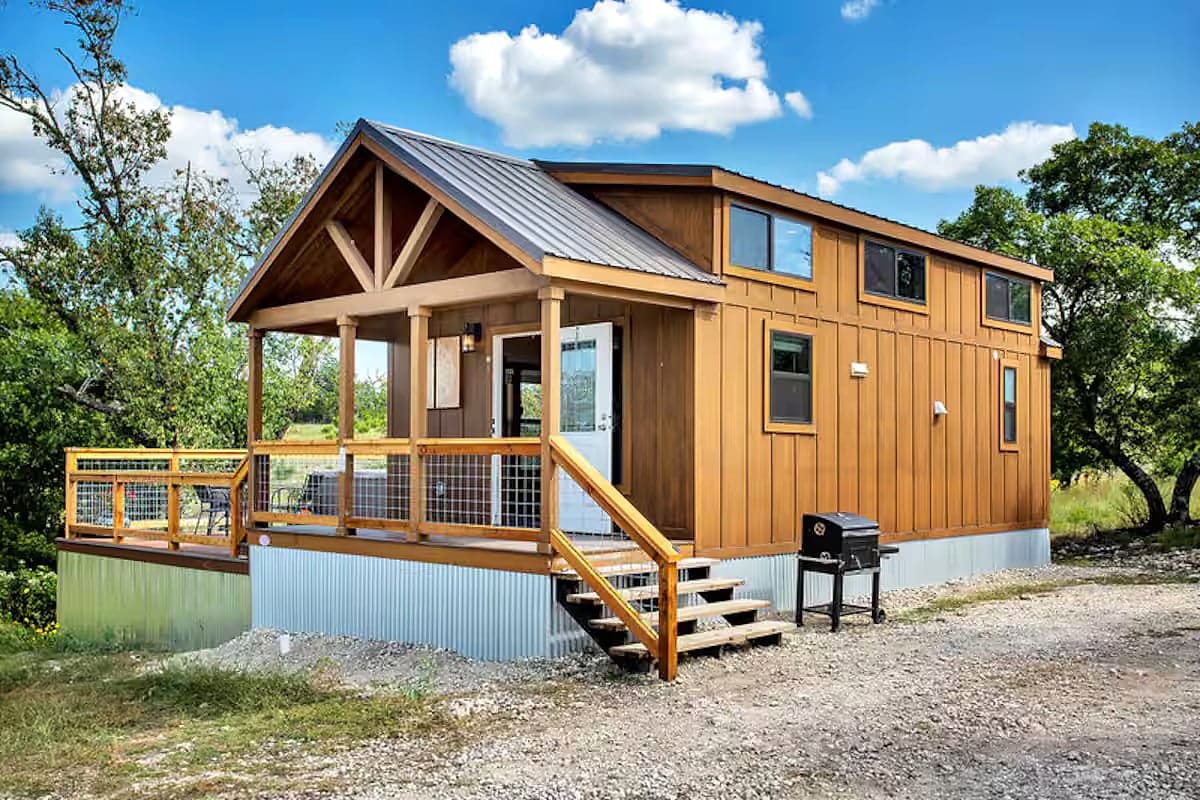
Tiny homes have exploded in reputation due to their affordability, sustainability, and minimalist life-style attraction. Excellent for downsizing, off-grid residing, or creating a comfy private retreat, constructing your individual tiny home is achievable with correct planning. This complete information walks by way of each step from preliminary design to last development.
Step 1: Planning Your Tiny Home
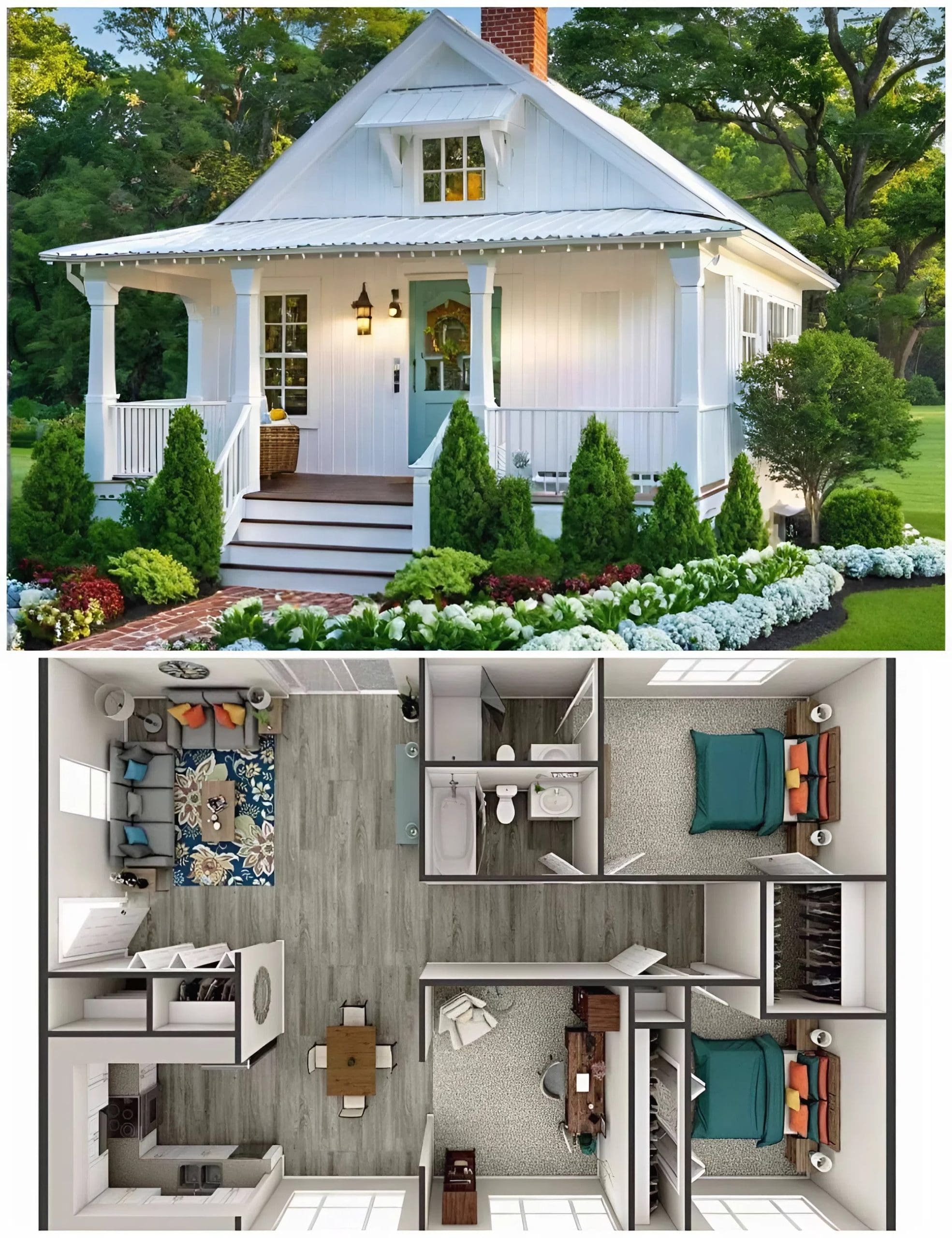
Begin with thorough planning to make sure success. Examine native zoning legal guidelines to verify tiny homes are permitted in your space. Create a practical price range masking supplies, instruments, and potential skilled assist. Plan utility connections for water, sewage, electrical energy, and fuel—many go for off-grid photo voltaic and composting techniques.
Step 2: Drawing Your Development Plan
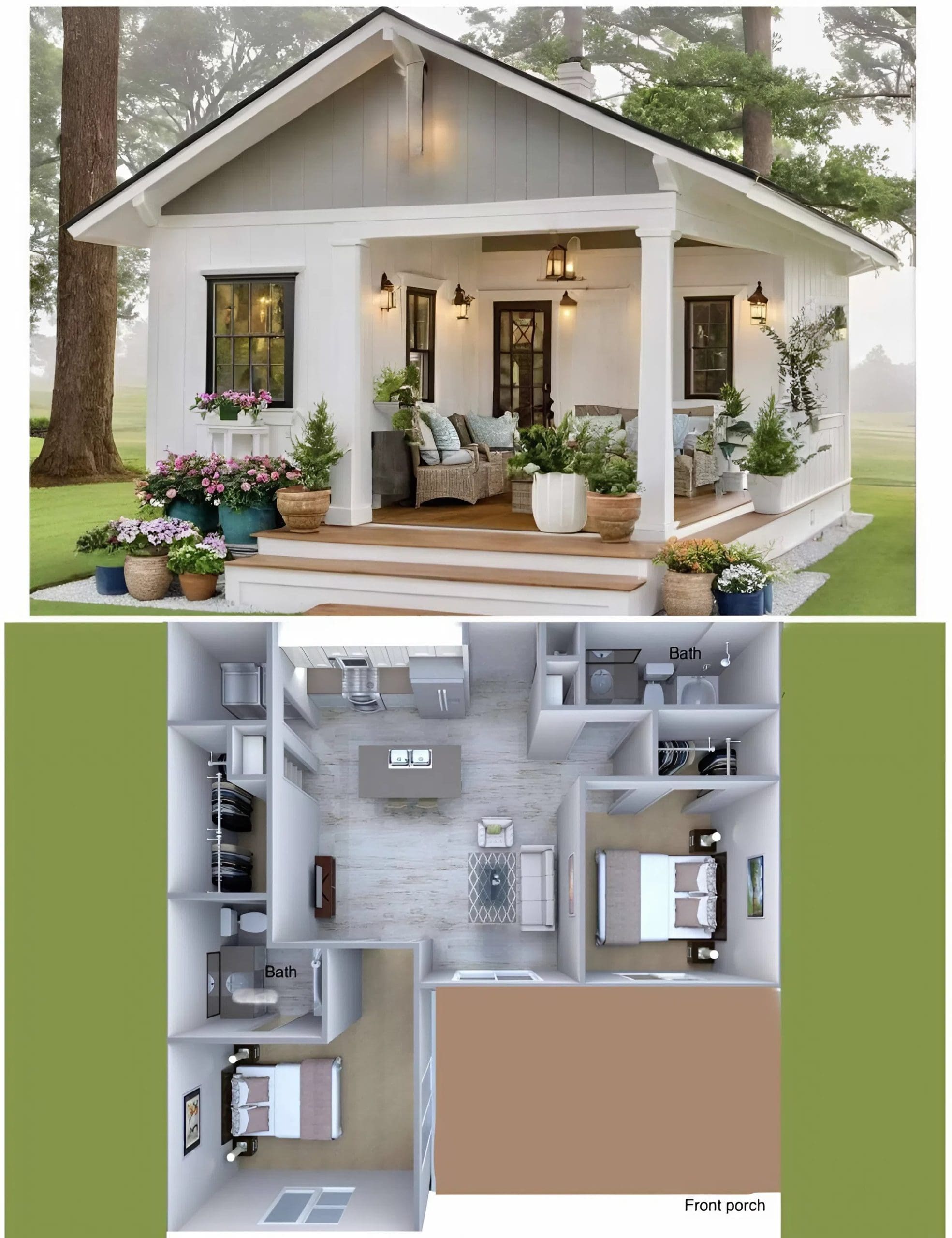
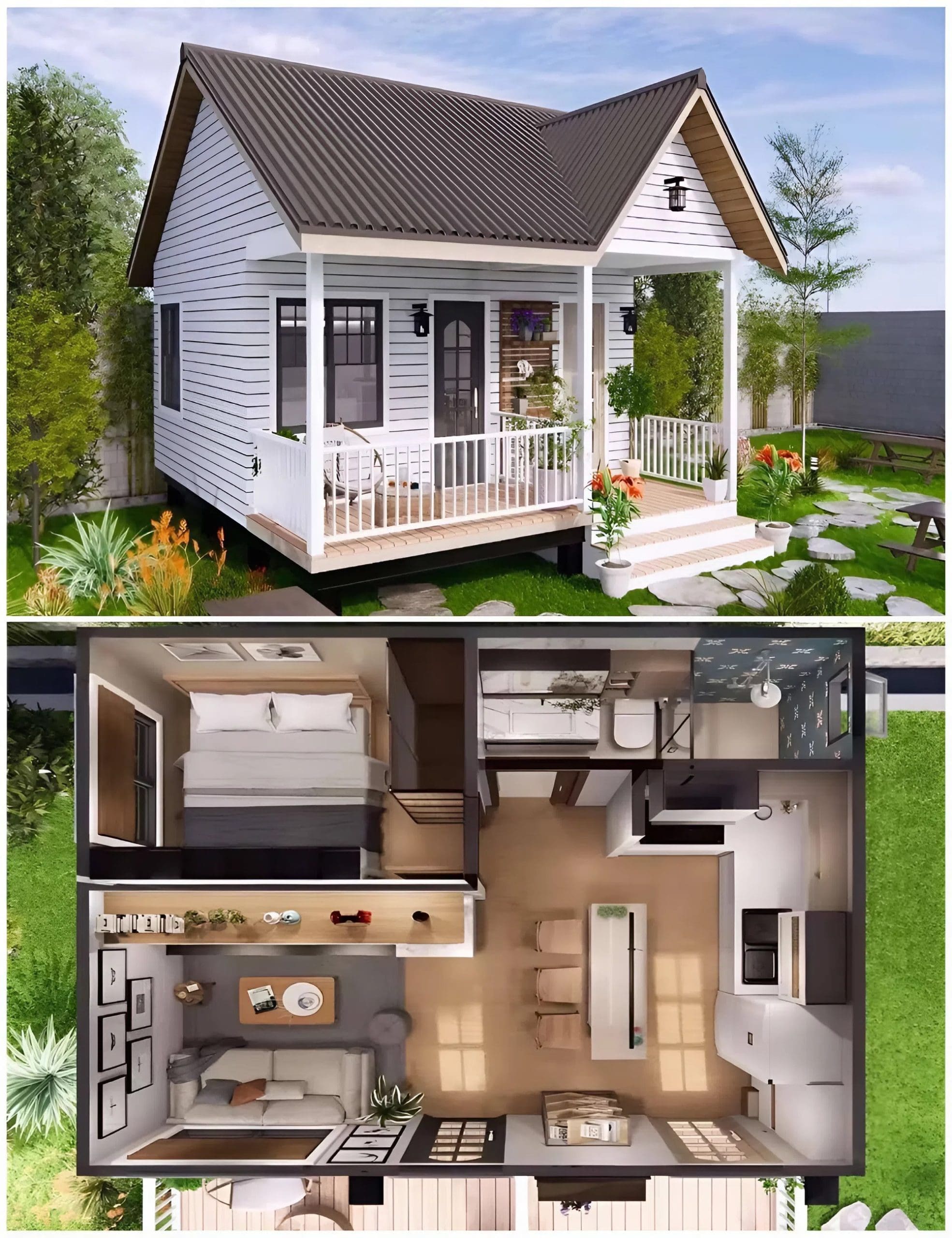
An in depth development plan ensures structural integrity and meets your life-style wants. Start with a scale drawing on graph paper or free design software program, sometimes 8 ft extensive by 20-30 ft lengthy.
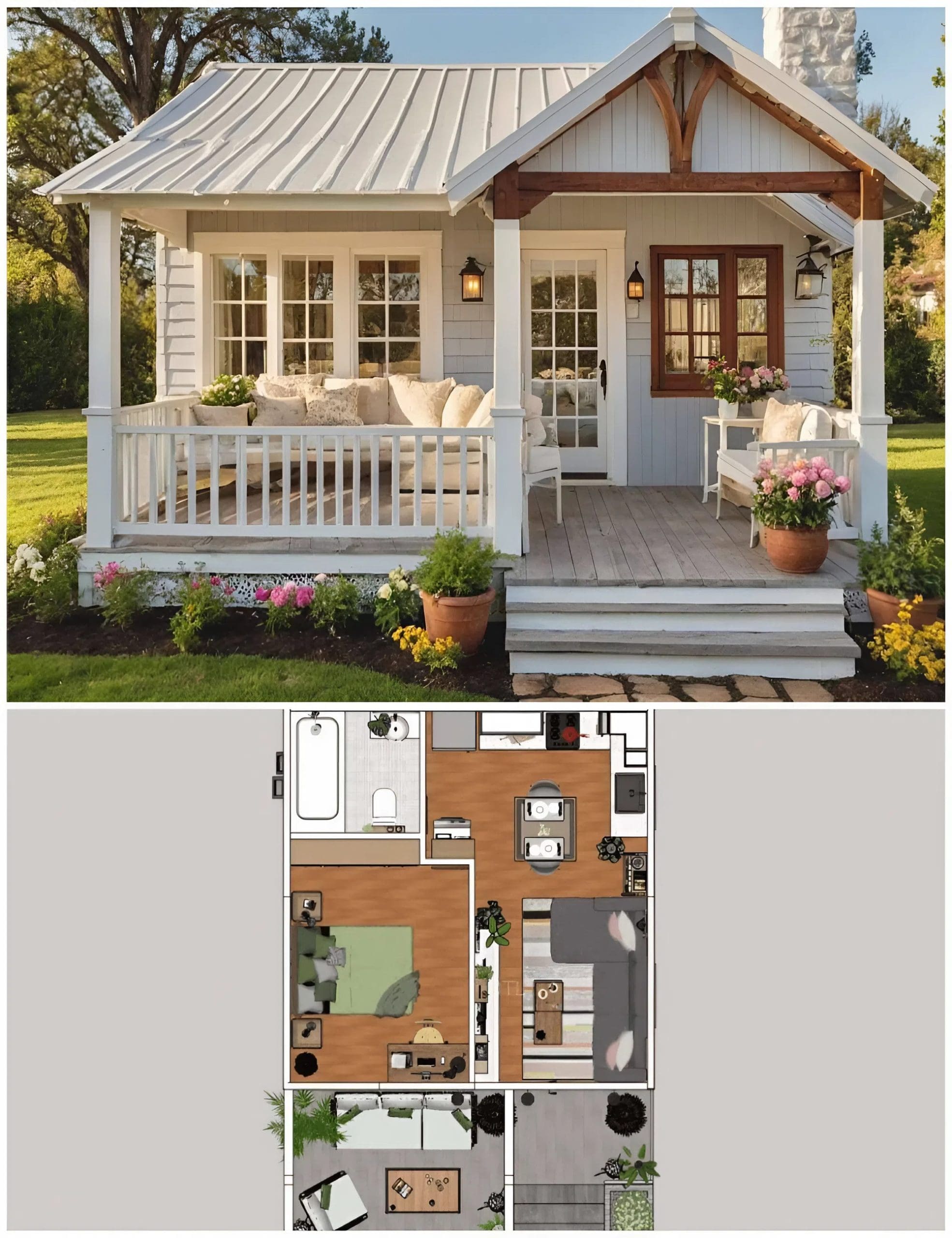
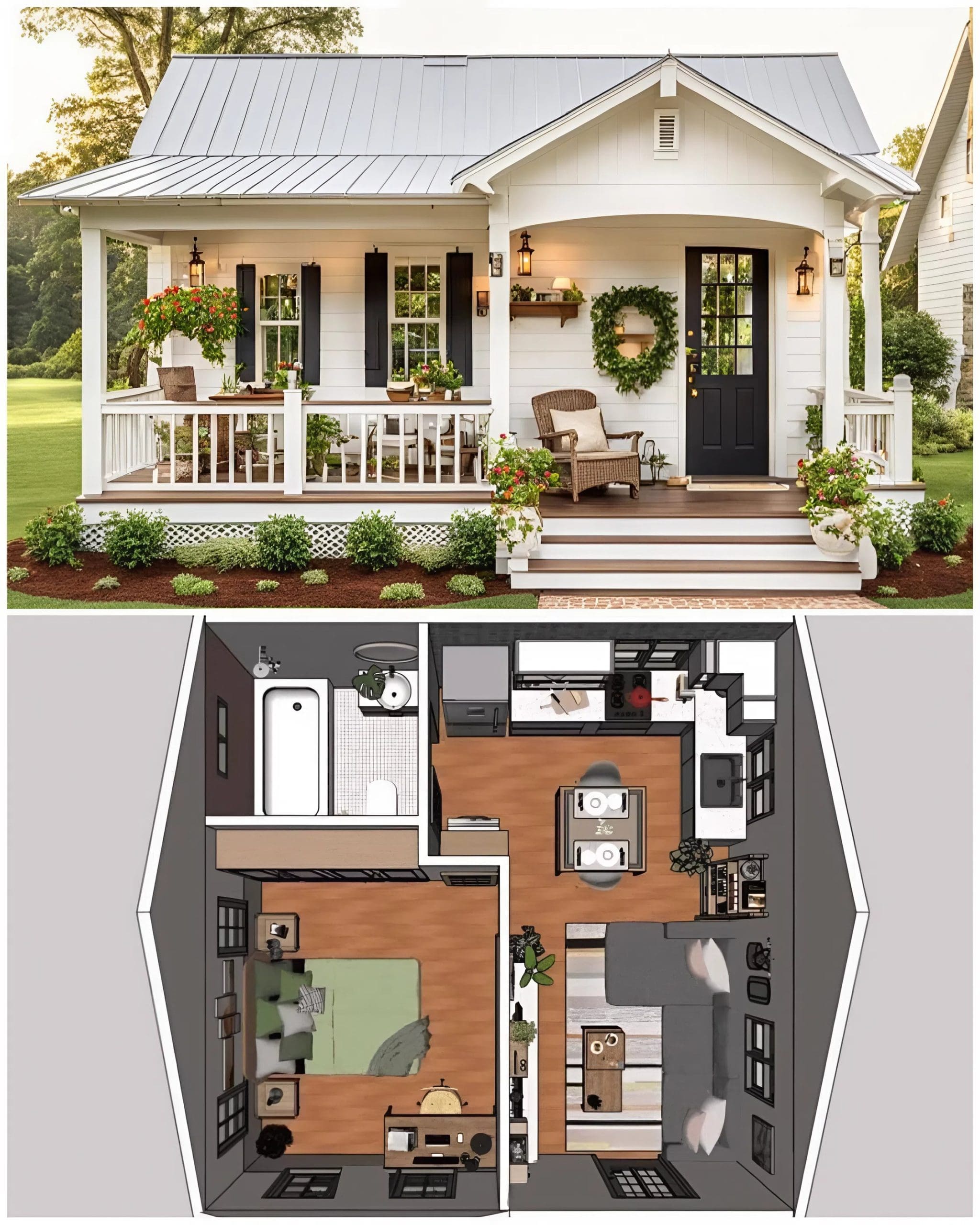
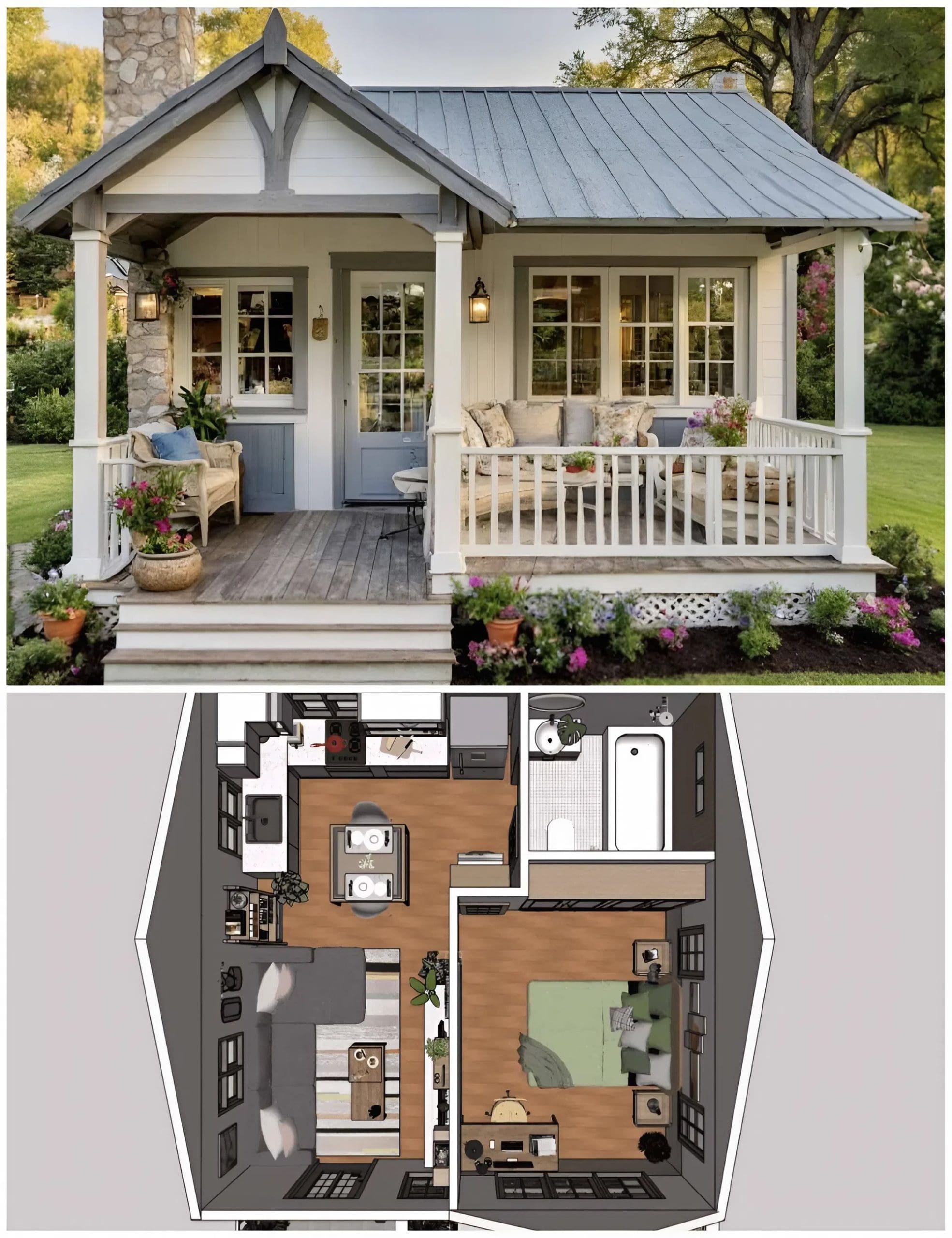
Creating the Ground Plan
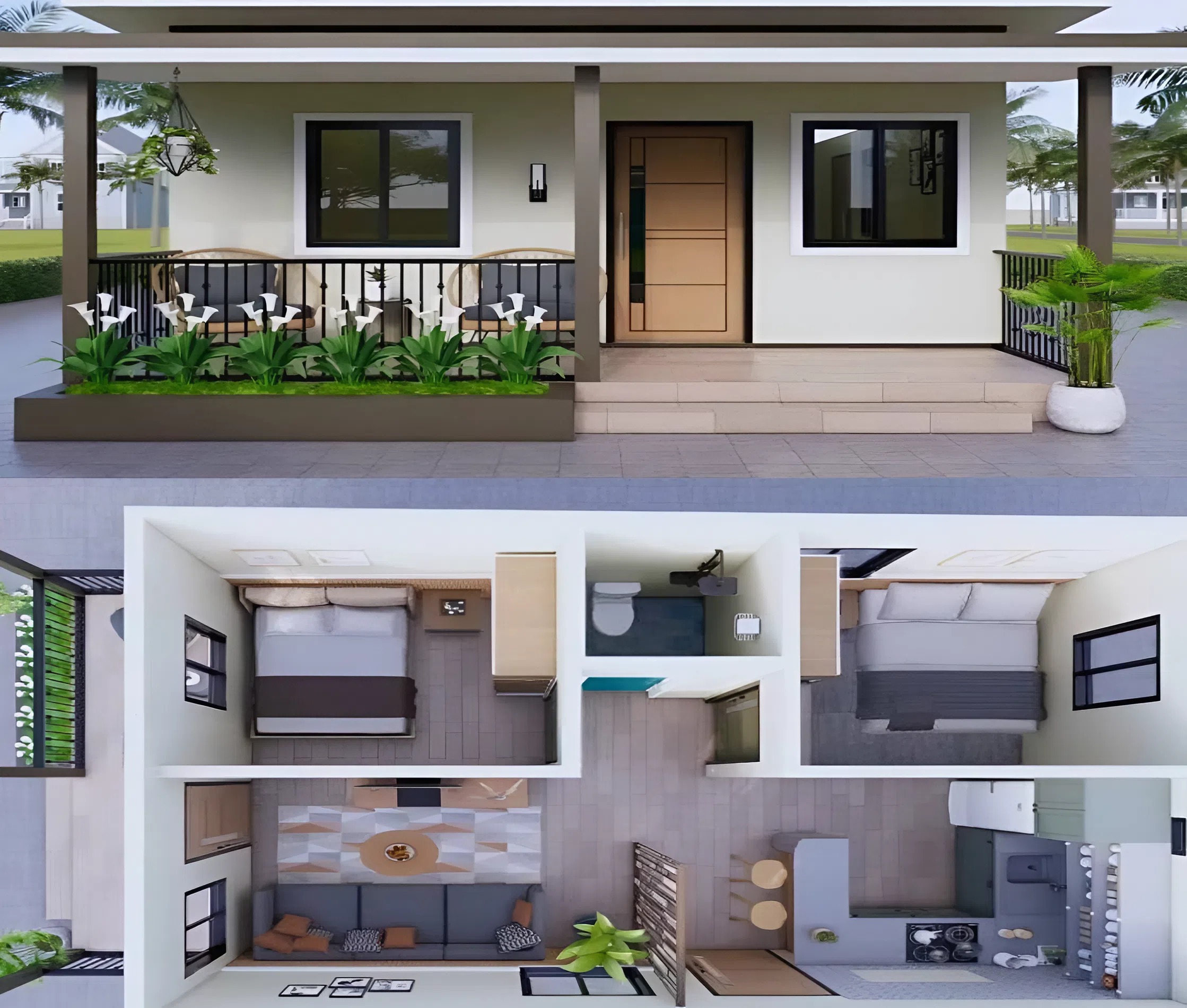
Divide area effectively with a compact kitchen, rest room with bathe and bathroom, and multi-functional residing space. Embody important storage like under-bed compartments and wall shelving essential for small-space residing.
Elevation Drawings and Dimensions
Draw facet elevations exhibiting home windows, doorways, roof form, and peak. Embody exact measurements for all rooms, partitions, home windows, and doorways to make sure supplies match completely throughout development.
Step 3: Deciding on Development Supplies
Basis Choices
Select skid basis for mobility on picket beams, concrete slab for permanence, or trailer basis for cell tiny houses.
Framing and Insulation
Normal 2×4 or 2×6 wooden framing supplies energy. Important insulation choices embrace foam board, fiberglass batts, or spray foam for vitality effectivity and temperature management.
Exterior and Roofing Supplies
Wooden siding gives pure magnificence whereas metallic siding or fiber-cement supplies sturdiness. Metallic roofing excels for rainwater assortment and longevity; asphalt shingles supply affordability.
Step 4: Constructing Course of
Basis Development
Stage the positioning and set up your chosen basis. For trailers, guarantee correct setup and safe mounting.
Wall and Roof Framing
Construct partitions with robust nook helps and window/door openings. Elevate partitions, safe to basis, then set up roof trusses or rafters.
Methods Set up
Run electrical wiring, shops, and lighting per code. Set up plumbing for water and waste. Off-grid setups want photo voltaic panels and battery storage. Contemplate skilled assist for advanced techniques.
Exterior Completion
Sheathe partitions with plywood, add insulation, then apply exterior cladding. Set up sealed home windows, doorways, and roofing to stop leaks.
Step 5: Inside Ending
Full inside partitions with drywall or paneling, set up flooring, and match kitchen/rest room fixtures. Construct space-saving furnishings like wall-mounted beds and cupboards. Use gentle inside colours to maximise perceived area.
Remaining Touches for Livable Consolation
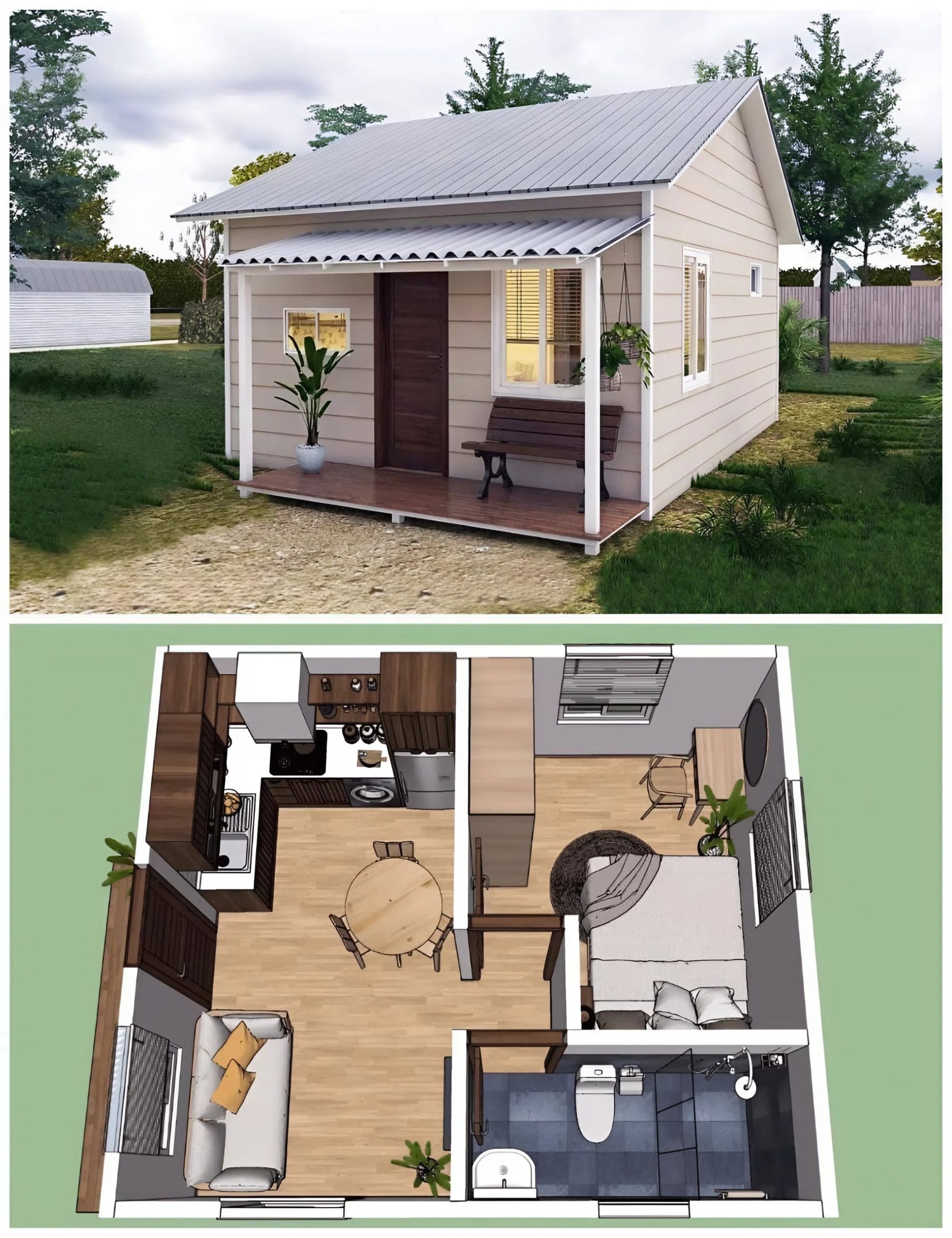
Select multifunctional furnishings like fold-out tables and pull-out beds. Add exterior decking or landscaping for stationary houses. These ending touches remodel your tiny home right into a useful, cozy residing area.
Why Tiny Home Development Succeeds
Detailed planning, high quality supplies, and systematic development create sturdy, comfy tiny houses. Whether or not DIY or hiring professionals, following these steps ensures your tiny home undertaking delivers sustainable, minimalist residing at its finest.